Leaf Line Art Botanical Elements
First Impressions: A Minimalist Botanical Mood
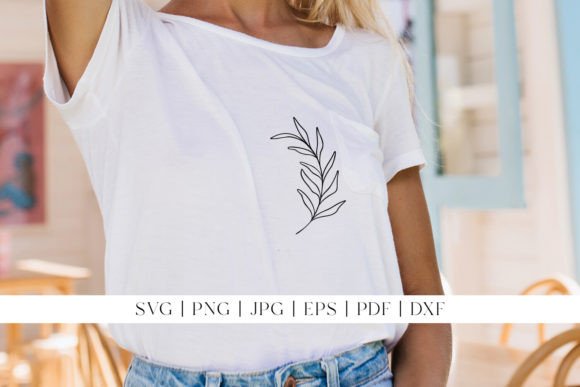
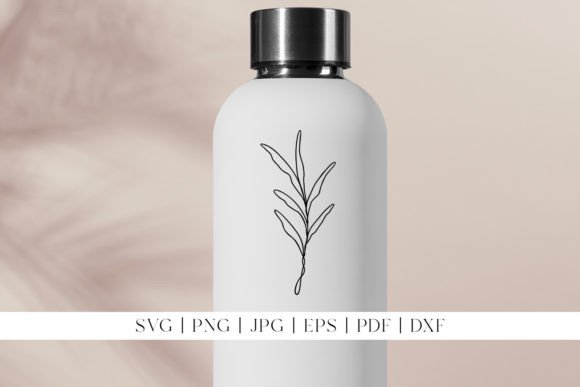
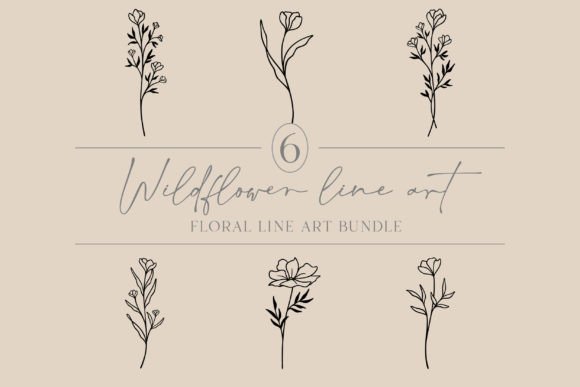
Leaf Line Art Botanical Elements immediately catches the eye with its clean, elegant lines and natural aesthetic. The design feels like a breath of fresh air—simple yet expressive, with a soft, organic feel that speaks to nature lovers and minimalist enthusiasts alike. The layout is balanced, with a range of botanical elements that suggest growth, movement, and harmony. This makes it ideal for embroidery projects that aim to evoke calmness, elegance, or a connection to the outdoors.
The level of detail is just right—enough to make the design visually engaging without being overwhelming. It’s perfect for small-scale embroidery where clarity and simplicity are key. Whether used as a standalone motif or part of a larger composition, Leaf Line Art Botanical Elements has a visual personality that feels both timeless and modern.
Real-Life Use: From Tote Bags to Baby Clothes
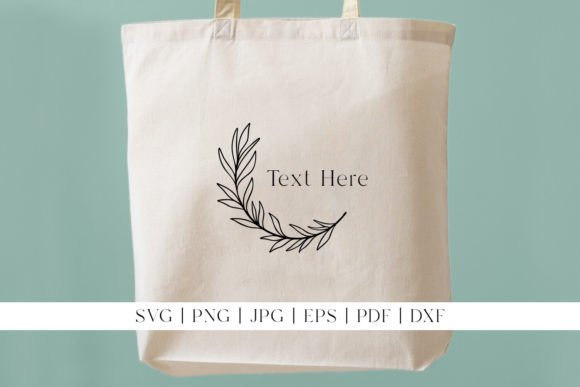
Imagine you’re preparing a custom embroidered tote bag for a client who loves eco-friendly, nature-inspired designs. Leaf Line Art Botanical Elements would be an excellent choice. Its minimalist style works well on cotton or canvas, and the line art lends itself to a variety of stitching techniques, from running stitch to satin stitch. The design’s simplicity also makes it versatile for different fabric types and project scales.
For baby items, such as onesies or blankets, the soft, leafy motifs add a gentle, soothing touch. The design can be adapted for applique or fill stitches, depending on the desired texture. It’s also great for personalized gifts, like embroidered pillow covers or kitchen towels, where the botanical theme adds a touch of charm and character.
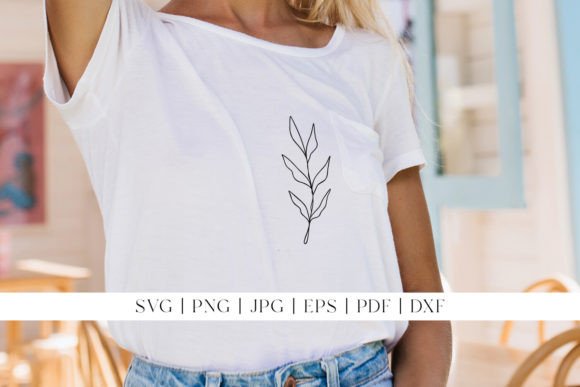
When applied to sweatshirts or t-shirts, the design maintains its integrity without appearing too busy. It’s especially effective when paired with neutral or pastel thread colors, which enhance the natural feel of the artwork. For holiday or wedding gifts, the design can be modified to fit seasonal themes while keeping its core identity intact.
Where to Be Cautious: Fabric and Design Limitations
While Leaf Line Art Botanical Elements is a strong design, it does require some care in certain situations. On small hoop sizes, the intricate details might become challenging to stitch accurately. Similarly, on textured fabrics or thin materials, the design may not show up as clearly as on smooth, medium-weight cotton.
Stretchy fabrics can also be a concern. If the design is placed on areas that stretch frequently, such as the sides of a t-shirt or the seams of a cap, the stitches might pucker or distort. Dark fabrics may require a contrasting thread color to ensure visibility, and layered garments can complicate the application of the design without affecting the underlying layers.
Curved surfaces, like caps or rounded patches, may need adjustments to the design to prevent distortion. Tiny details or dense stitch areas could also pose challenges if the design isn’t optimized for those specific applications. It’s important to test the design on a scrap fabric before committing to a full project.
Visual Appeal and Practical Value
Leaf Line Art Botanical Elements enhances the visual appeal of any project it’s used on. Its clean lines and natural theme make it highly recognizable and appealing to a wide audience. When used in handmade products or custom apparel, it adds a sense of quality and intentionality that customers appreciate.
From a commercial perspective, this design can significantly boost product value. It’s ideal for small shop merchandise, Etsy listings, or craft fair products where unique, nature-inspired designs stand out. The design’s versatility means it can be adapted for various uses, from digital product previews to printable mockups, making it a valuable asset for creative entrepreneurs.
For embroidery designers, the ability to use Leaf Line Art Botanical Elements across multiple mediums—like wall art, mugs, or tattoo designs—adds to its appeal. It’s a flexible tool that supports both personal and commercial projects, provided the user takes the time to understand its limitations and strengths.
Practical Designer Notes: Testing and Preparation
Before using Leaf Line Art Botanical Elements in a real project, always test it on scrap fabric. This helps identify any issues with stitch density, thread color contrast, or fabric compatibility. Check how the design looks in black and white mockups to ensure it holds up without color, which is especially important for digital product sellers or printable assets.
Confirm the hoop size required for the design, and make sure it fits within your machine’s capabilities. Inspect small details closely to ensure they’ll translate well to the final product. Use the proper stabilizer for the fabric type, and consider how the design will hold up under frequent washing or wear.
If you’re planning to sell finished items or digital products, double-check the licensing terms to ensure compliance. Leaf Line Art Botanical Elements seems to offer a range of files for any and all uses, but it’s always wise to verify these details directly with the seller or designer.
Final Thoughts: A Versatile and Thoughtful Design
Leaf Line Art Botanical Elements is a thoughtful, versatile design that can elevate a wide range of embroidery projects. Its minimalist approach, combined with a natural theme, makes it suitable for everything from casual tote bags to high-end handmade products. With careful consideration of fabric type, stitch technique, and project scale, this design can deliver professional results that customers will love.
Whether you’re an experienced embroidery designer or a small business owner looking to expand your product line, Leaf Line Art Botanical Elements offers a solid foundation for creating beautiful, functional, and marketable designs. Just remember to test, adapt, and respect the design’s limitations to get the best possible outcome.