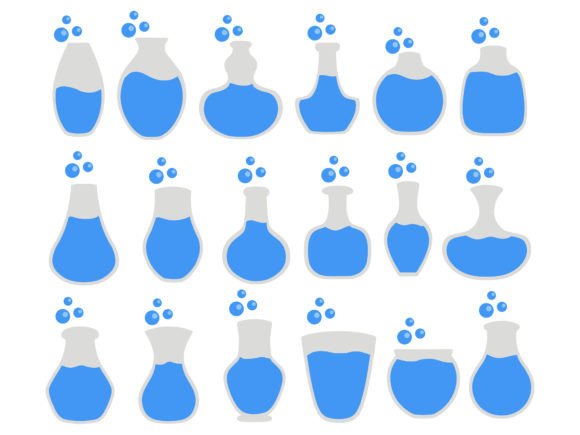
Glass Water Background Illustration
As an embroidery designer and product reviewer, I’ve evaluated countless designs for real-world use. Glass Water Background Illustration stands out for its clean aesthetic and versatile application, but it’s not a one-size-fits-all solution. Let me walk through how this design performs in practical embroidery projects and what to consider before using it in your own work.
First Impressions: A Design That Evokes Calm and Clarity
The first thing you notice about Glass Water Background Illustration is its serene, minimalist vibe. The design features soft, flowing lines that mimic the movement of water, with subtle transparency effects that give it a glass-like quality. It feels modern, elegant, and perfect for products that aim to evoke relaxation or sophistication.
The layout is balanced, with enough detail to be visually interesting without being overwhelming. It’s ideal for backgrounds on items like tote bags, mugs, or wall art where the design doesn’t need to compete with other elements. However, its simplicity also means it may not stand out on its own in busy environments or when paired with bold text.
Real-World Embroidery Use Cases
When considering Glass Water Background Illustration for real embroidery projects, think about the type of item you want to create. It works well as a background on custom apparel like sweatshirts or t-shirts, especially when paired with a simple, contrasting text or icon. For example, a tote bag design featuring this illustration could be a great addition to a wellness-themed shop or a boutique offering lifestyle products.
It also has potential for baby items, such as embroidered onesies or blankets, where the soft, flowing lines can add a gentle, soothing touch. In these cases, the design’s clarity and simplicity make it easier to stitch accurately, even on delicate fabrics.
For small business owners, this design could serve as a strong visual element in printable mockups or digital product previews. Its clean lines and lack of intricate details make it easy to scale and adapt for different formats, whether you’re selling it as a downloadable file or using it in a physical product.
Where to Be Cautious: Limitations and Challenges
While Glass Water Background Illustration is visually appealing, it’s important to recognize where it might not perform as well. For instance, on small hoop sizes, the design’s finer details may become lost or distorted. If you're working on a patch or a cap, you’ll need to ensure the hoop size accommodates the design’s dimensions without cutting off any elements.
Textured or stretchy fabrics can also pose challenges. The design’s smooth, flowing lines may not translate well on materials with a lot of grain or elasticity, leading to a less-than-perfect finish. Similarly, on dark fabrics, the design’s subtle tones might not show up clearly unless you adjust the thread colors accordingly.
If you plan to use this design on layered garments or curved surfaces like caps, be prepared to do some extra work. The design’s flat appearance may not sit well on three-dimensional shapes, and you may need to adjust the placement or add stabilizer to prevent shifting during stitching.
Impact on Visual Appeal and Customer Perception
One of the biggest advantages of Glass Water Background Illustration is its ability to elevate the visual appeal of a finished product. When stitched correctly, it adds a professional touch that can make handmade products stand out in a crowded market. Customers often respond positively to designs that feel intentional and well-crafted, which can increase trust and engagement.
However, if the design is poorly executed—whether due to incorrect stitch density, improper stabilizer use, or mismatched thread colors—it can detract from the overall quality. This is why testing the design on scrap fabric before committing to a full project is always a good idea.
For Etsy sellers and small shop owners, this design can be a valuable asset in creating consistent branding. Its clean style pairs well with other minimalist designs, helping to build a cohesive look across your product line. It also makes for a great personalized gift, especially for customers who appreciate subtle, elegant designs.
Practical Designer Notes: What to Check Before Using
Before using Glass Water Background Illustration in your embroidery projects, here are a few key steps to take:
- Test on scrap fabric: Always try the design on a sample piece of the fabric you plan to use. This helps identify any issues with stitch density, color contrast, or fabric texture.
- Check thread color contrast: Ensure the thread colors you choose will show up well against the fabric. On dark fabrics, consider using a lighter thread or adding a white underlay.
- Review stitch density: Some designs may require adjustments to their stitch density to maintain clarity and avoid puckering or distortion.
- Confirm hoop size: Make sure the design fits within your hoop size without being cropped or stretched.
- Inspect small details: Pay attention to corners, curves, and fine lines. These areas can be tricky to stitch accurately, especially on complex designs.
- Test in black and white: Sometimes, seeing the design in monochrome can reveal issues that aren’t obvious in color.
- Compare light and dark fabric: Test the design on both light and dark backgrounds to see how it performs in different settings.
- Use proper stabilizer: Stabilizer is essential for maintaining the integrity of the design, especially on stretchy or thin fabrics.
- Check licensing: Confirm that the design is suitable for both personal and commercial use, and that you have the rights to sell finished products or digital files.
Final Thoughts: A Design That Requires Thoughtful Application
Glass Water Background Illustration is a versatile and stylish choice for a wide range of embroidery projects. Its clean lines and calming aesthetic make it ideal for products that aim to convey elegance, simplicity, or tranquility. However, it’s not a design that can be used without consideration. From fabric selection to stitch density and stabilizer use, every step matters when bringing this design to life.
For designers and small business owners, this illustration can be a powerful tool when used correctly. It’s a great option for custom apparel, personalized gifts, and boutique merchandise, but it requires careful planning and execution. With the right approach, it can help elevate your brand and deliver a high-quality finished product that customers will love.