Chinese New Year Alphabet Review
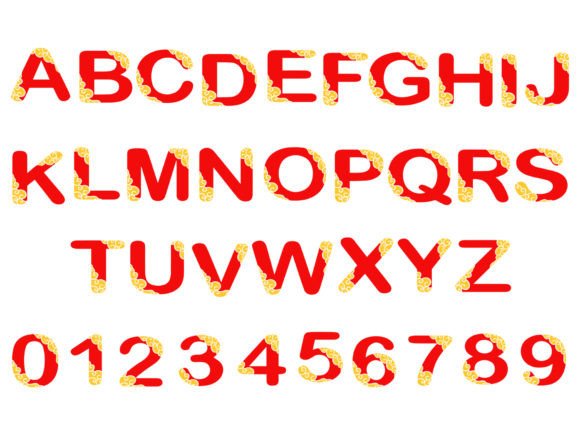
The Chinese New Year Alphabet offers a unique blend of cultural symbolism and functional design, making it a compelling choice for embroidery projects with a festive twist. As a designer who has worked on countless custom apparel, baby items, and holiday merchandise, I’ve found that this alphabet has both strengths and limitations that are worth considering before incorporating it into your work.
First Impressions: A Festive yet Practical Design
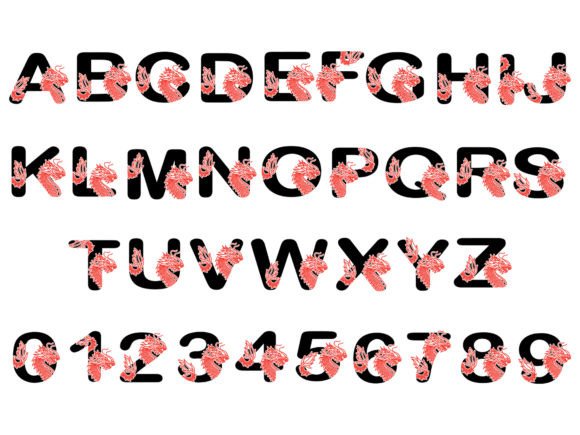
Upon first glance, the Chinese New Year Alphabet feels vibrant and thematic. The shapes are clean, with a visual personality that leans toward traditional calligraphy but remains accessible for modern use. The layout is straightforward, with each letter and number spaced to allow for clear stitching without overcrowding. This makes it ideal for projects where readability is key, such as personalized gifts or branded merchandise.
The design’s detail level is moderate—enough to add character but not so intricate that it becomes impractical for most embroidery machines. It’s well-suited for applique designs or satin stitch applications, where bold lines and defined shapes can shine. However, the simplicity also means it may not be the best fit for highly detailed or layered embroidery projects.
Real-World Embroidery Performance
When testing the Chinese New Year Alphabet on various fabrics, I found it performs best on medium-weight cottons, denim, and woven materials. The stitch density is manageable, and the design doesn’t require excessive stabilizer, which is a plus for small business owners looking to streamline their workflow.
For custom apparel like tote bags or sweatshirts, the alphabet holds up well. It adds a festive touch without overwhelming the garment. On baby clothes, it’s a subtle yet meaningful addition, especially when paired with soft pastel thread colors. However, I noticed that on thin or stretchy fabrics, the design can sometimes appear slightly distorted, depending on how the hoop is positioned.
In terms of commercial embroidery, the Chinese New Year Alphabet works well for small shop products, Etsy listings, and craft fair items. Its versatility allows it to be used across multiple product types, from aprons to pillow covers. For digital product sellers, the SVG format makes it easy to integrate into printable mockups or social media posts.
Where to Use With Caution
While the Chinese New Year Alphabet is generally reliable, there are situations where it may not perform as expected. Small hoop sizes can be a challenge, as the design requires enough space to maintain its clarity. If you’re working on a cap or a curved surface, the letters might appear stretched or misaligned if not properly adjusted.
On dark fabrics, the design can lose some of its visual impact unless the thread color is carefully selected. Similarly, on textured or thick fabrics, the stitch density might cause the design to look less crisp. For these cases, using a light-colored thread or adjusting the stitch settings could help improve the outcome.
For projects that involve frequent washing, such as baby items or kitchen towels, it’s important to ensure the design is securely stitched and stabilized. The Chinese New Year Alphabet isn’t overly dense, so extra care in the stabilization process is recommended to prevent pilling or distortion over time.
Impact on Visual Appeal and Customer Perception
When used correctly, the Chinese New Year Alphabet enhances the visual appeal of any project. It adds a sense of tradition and celebration, which can make a handmade product feel more special. Customers often respond positively to designs that evoke a sense of occasion, whether it’s for a holiday gift, a wedding item, or a personalized keepsake.
From a professional standpoint, the design contributes to brand consistency when used in a cohesive collection. For Etsy sellers or boutique owners, it can serve as a signature element that sets their products apart. However, it’s important to consider how the design fits within the overall aesthetic of your brand to avoid clashing or appearing too generic.
For commercial embroidery projects, the Chinese New Year Alphabet can boost buyer engagement by offering a unique, culturally relevant design. It’s especially effective for seasonal promotions, limited-edition collections, or themed events. Just be sure to test it thoroughly before mass production to avoid unexpected issues.
Practical Designer Notes
Before finalizing any project with the Chinese New Year Alphabet, I recommend testing it on scrap fabric. This helps identify any potential issues with stitch density, thread color contrast, or fabric compatibility. It’s also wise to review the design in black and white mockups to see how it translates on different backgrounds.
When working with layered garments or curved surfaces, take extra care to adjust the hoop size and stitch direction. For small details or tiny lettering, consider using a running stitch to maintain clarity. Always use the proper stabilizer for the fabric type to ensure the design stays in place during stitching.
If you’re planning to sell finished products or digital files, confirm the licensing terms associated with the Chinese New Year Alphabet. Some designs may have restrictions on commercial use, so it’s essential to verify this before proceeding.
Final Thoughts: A Versatile Addition to Your Embroidery Kit
The Chinese New Year Alphabet is a versatile machine embroidery design that can elevate a wide range of projects. Whether you’re creating custom apparel, personalized gifts, or small shop merchandise, it offers a balance of style and functionality. However, like any design, it requires thoughtful application to achieve the best results.
For designers and crafters looking to add a festive touch to their work, the Chinese New Year Alphabet is a solid choice. Just remember to test it thoroughly, consider the fabric and project type, and use it in a way that aligns with your brand and customer expectations. With the right approach, it can become a valuable asset in your embroidery toolkit.